Environmental compliance changes the value of a charcoal briquette production line because permits determine operating hours, dust control, gas treatment and the evidence the plant must keep. The charcoal briquette production line emission standards start with the carbonization furnace, syngas handling, char cooling, crushing, binder mixing, press and drying section. air pollution control protects workers and neighboring communities, while a complete permit file protects the operator from interruption. Buyers increasingly ask for consistent product and documented environmental performance. A compliant line can sell into stricter markets and obtain financing more easily. The project therefore treats environmental design as part of product value rather than as an expense added after construction.
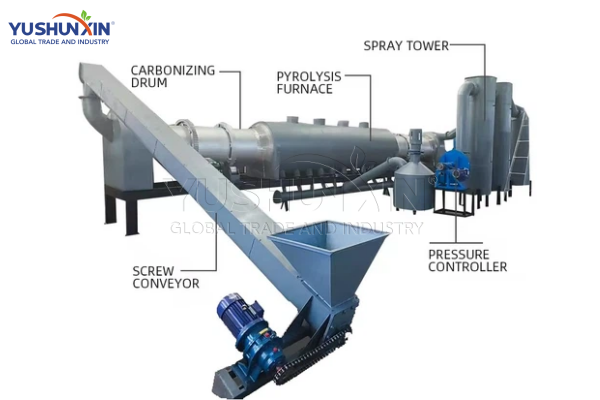
Which emission sources define compliance for a charcoal briquette production line?
The carbonization stage releases gas, tar vapor and particulate matter, while crushing, mixing and drying create dust. A environmental compliance for charcoal briquette production identifies each source and assigns a capture hood, duct, cyclone, scrubber or bag filter where the process requires it. The plant also controls fugitive dust from feedstock storage and finished-product handling. Combustion equipment needs stable temperature and air control to avoid carbon monoxide and unburned hydrocarbons. The design team checks local limits for particulate matter, sulfur compounds and nitrogen oxides before equipment selection. A source map allows the plant to size the treatment equipment correctly and avoid a later retrofit.
How do gas treatment and dust control improve the commercial value of briquette production?
A closed carbonization line can recover syngas for heat and reduce outside fuel demand, but the gas must pass through a safe cleaning and pressure-control system. A emission control in a briquette production line links gas quality with burner performance and records the condition of filters and scrubbers. The palm charcoal production line process keeps char clean before briquetting, because ash and contamination reduce product strength. Dust collection protects the press and drying equipment and reduces material loss. A plant that meets environmental limits can negotiate with larger buyers and avoid shutdown risk. The operating team also records the energy saved through syngas use, which strengthens the investment case beyond the price of the briquette alone.
Which operational practices keep a briquette plant inside its environmental permit?
The plant maintains inspection and calibration schedules for dust collectors, burners, gas analyzers and safety controls. Operators record pressure drop across filters and respond before airflow drops or emissions rise. The maintenance plan covers seals on the furnace, ducts, conveyors and mixing equipment, because leaks create both product loss and environmental risk. A laboratory checks raw material, char quality and finished briquette properties at defined intervals. The team also keeps records of startup, shutdown and upset conditions. These practices give an inspector a complete picture of normal operation and demonstrate that the site addresses problems rather than hiding them. Reliable documentation supports permit renewal and buyer confidence.
How does compliance affect the investment value of a charcoal briquette production line?
A permit sets the permitted throughput and operating hours, so compliance directly limits revenue. Treatment equipment adds capital and maintenance cost, but it also reduces fines, shutdowns and product loss. The financial model includes filter replacement, reagents, monitoring and operator training over the project life. A line that meets a higher environmental standard may qualify for green finance and access export buyers that reject unverified suppliers. The owner compares the compliant design with a lower-cost alternative and tests the alternative under a shutdown scenario. A complete compliance plan protects the asset value and gives lenders a clearer view of long-term operating risk.
Conclusion for charcoal briquette project owners
Environmental compliance belongs in the core design of a charcoal briquette production line because permits, gas handling, dust control and records shape the plant’s ability to operate. A clean line protects workers, reduces material loss and supports access to stronger buyers. A carbonization emission control advisors that reviews the emission sources and treatment layout helps the owner size the process correctly. The operating team also needs a maintenance and calibration system that sustains compliance. The continuous carbonization reference appears at https://www.ysxcharpro.com/how-does-the-continuous-carbonization-furnaces-work/ for the next technical review.