A continuous carbonization production line converts biomass into char during every hour of the operating day, and the investment decision therefore depends on the capital cost of the equipment together with the availability that the plant actually reaches. You, as a project developer or as a recycling company manager, read the continuous carbonization production line capex as one number in a model that also contains the feedstock cost and the product price. That model answers the question the board asks before approval: when does the money return to the company?
Which items belong to the capital cost of a continuous carbonization production line?
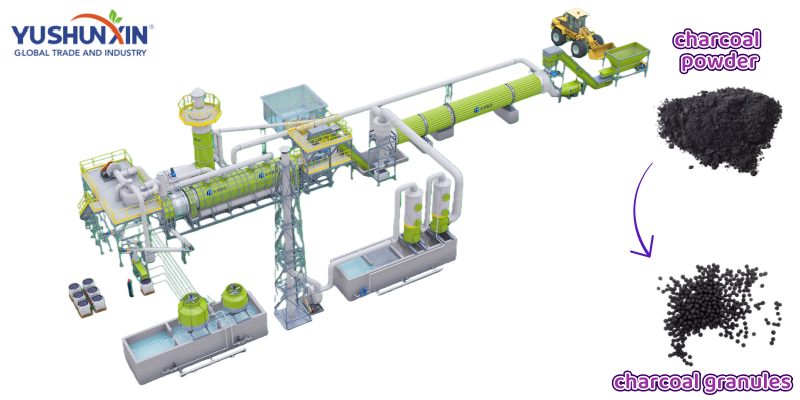
The drying section, the reactor, the discharge and cooling equipment, the screening unit and the packing stage form the main equipment block of the carbonization plant. A payback period of a continuous carbonization line estimate also includes the foundation, the power connection, the gas cleaning train and the spare parts package. You separate the equipment price from the site cost, because a quotation that covers only the machinery hides a large part of the investment. The working capital for the first feedstock purchase closes the capital budget.
How does the operating cost influence the payback period?
The electricity for the dryer and the drive motors, the maintenance of the moving parts and the labour of the shift team form the operating cost of the plant. A carbonization process that returns the syngas to the burner reduces the external fuel bill, and that saving shortens the return period of the project. You compare two feedstock drying routes, because a wet feedstock consumes heat that the reactor would otherwise use for the reaction. The same comparison shows the moisture content that keeps the operating cost at its design value.
Which revenue streams shorten the payback of a carbonization line?
The char that the plant produces reaches the soil amendment market, the fuel market and the filtration market, and each buyer accepts a different specification. An investment planning for a carbonization production line exercise tests those three routes against the local price, because the highest price usually belongs to the buyer with the strictest quality requirement. The carbon removal market adds a second income line when the process documents the stable carbon that the product stores. The gate fee that a company receives for agricultural residue adds a third line to the same model.
How does plant availability change the investment return?
The availability of the line decides how many tonnes reach the market each month, and a plant that stops for unplanned repairs loses both the product and the fixed cost of that day. A continuous carbonization furnace operation review examines the wear parts, because the screw and the discharge seal define the maintenance interval of the unit. You keep a spare set on site and train the maintenance team before the start-up, and that preparation protects the operating hours. The control system then records every stoppage and shows where the next improvement belongs.
Which risks change the payback date during construction?
The delivery date of the reactor, the approval of the environmental permit and the connection of the power supply each carry a delay that moves the start of production. You reserve a contingency in the schedule for those three items, because a plant that starts one month late loses one month of cash flow. A supplier that delivers the erection drawings early reduces the risk on the civil side, and that detail belongs in the contract. The commissioning plan then converts the remaining days into a realistic start date.
Conclusion for project developers and recycling companies
The capital cost, the operating cost and the available operating hours together decide when a carbonization investment returns the money to the developer. A carbonization investment advisors team that supplies the mass balance, the energy balance and the commissioning plan helps the board compare two configurations with the same product specification. The demand for char and for removal units keeps the market open for new capacity, and a plant that starts on the planned date captures a full season of production. If your team needs a reference for the line configuration and the investment scope, you can learn more about https://www.ysxcharpro.com/whats-the-price-for-a-continuous-carbonization-furnace/ before the next approval meeting.