The biomass carbonization plant investment covers the reactor, the dryer, the gas cleaning, the site works and the working capital, and a public subsidy can reduce the share that the owner must finance. You, as a project developer or as a recycling company manager, examine the biomass carbonization plant investment against the rules of the programme before the order. The funding then changes both the capital and the cash flow of the first years.
Which items can the programme support?
Circular economy programmes frequently support the reactor, the gas cleaning and the operator training, because those items deliver the environmental benefit that the programme measures. Public funding for a biomass carbonization plant also reduces the interest that the owner pays on the remaining loan. You separate the eligible items from the ineligible ones, because a necessary expense outside the rules stays with the company. The application then carries a clean budget.
How does the support change the return?
A smaller loan carries a smaller service cost, and that reduction appears in the monthly cash flow of the plant. The investment cost reduction with public support also improves the payback, because the owner recovers a smaller capital base. You build the model with and without the support, and the two results give the board a clear picture. The programme then appears as a defined amount.
How does the application confirm the design?
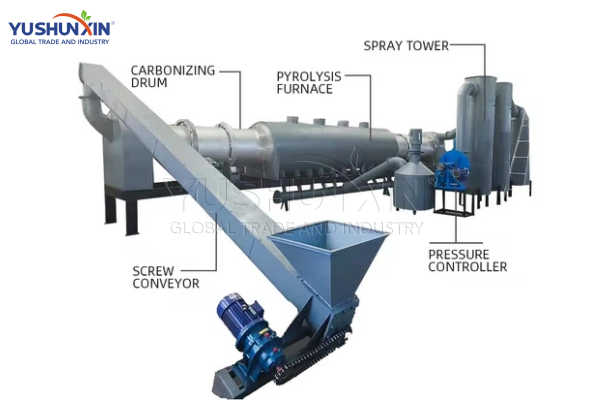
The application demands a mass balance, a cost breakdown and a description of the process, and those three documents force the owner to test the design before construction. A palm charcoal line investment follows the same logic, and that reference helps the developer prepare the file. You confirm the equipment list with the supplier before the submission, and that confirmation prevents a later amendment. The review then proceeds with a consistent file.
Which obligations follow the award?
The beneficiary reports technical and financial progress during the agreement period, and that report releases the next instalment. You keep the invoices, the contracts and the acceptance certificates in one folder, because the audit reconstructs the spending chain. A plant that meets its tonnage target qualifies more easily for the following call. The same folder supports the commercial loan that covers the rest.
Conclusion for project developers and recycling companies
Public funding lowers the investment cost through direct support and through a lighter debt service, and the effect reaches the payback of the plant. A carbonization funding advisors team that supplies the cost breakdown, the mass balance and the reporting template helps the owner submit a file that stands review. The demand for char and for removal units keeps the plant valuable, and a well funded project starts before the market tightens. If your team needs a reference for the line configuration and the funding scope, you can learn more about https://www.ysxcharpro.com/whats-the-price-for-a-continuous-carbonization-furnace/ before the next submission. The same budget also supports the annual review of the programme, and that review keeps the grant aligned with the measured tonnage of the plant. The file stays with the project office.