A carbon negative biochar plant earns from the char that it sells and from the removal units that it registers, and environmental compliance decides whether the second income survives an audit. You, as a project developer or as a recycling company manager, examine the carbon negative biochar plant against the registration rules before the first credit is issued. A plant that meets those rules keeps the value of every unit it produces.
Which compliance rules affect the value of a carbon credit solution?
The emission limit of the pyrolysis stage, the monitoring frequency and the traceability of the biomass define the registration file of the project. A compliance value in a carbon credit solution review also examines the greenhouse gas balance of the whole chain, because the transport of the residue and the drying of the feedstock carry their own emissions. You calculate the net removal rather than the gross carbon content, and that calculation protects the claim. The palm charcoal production for carbon removal route illustrates the same accounting applied to another residue.
How does the emission record support the registration?
The monitoring system records the temperature, the gas flow and the carbon content of each batch, and those records answer the questions of the validation body. An environmental compliance for a biochar plant plan also fixes the sampling frequency and the laboratory that performs the analysis. You keep the records for the full crediting period, because a later verification reconstructs the claim from them. The technology that produces a complete record protects the income that the programme issues.
Which process data does the auditor request?
The dry mass of the feedstock, the carbon content of the product and the energy that the process consumes form the core dataset of the audit. You also document the residue that the plant purchases, because a biomass source that comes from a protected area disqualifies the batch. The auditor then traces each tonne from the supplier to the char, and that chain must close without a gap. A plant that documents the chain on the day of production avoids a reconstruction later.
How does compliance reduce the risk of a credit reversal?
A project that meets the monitoring rules and the permanence requirement keeps its units valid when the certification body reviews the methodology. You also check the uses of the char, because a product that burns quickly returns the carbon to the atmosphere and loses the removal claim. The carbon negative biochar plant then adopts the soil application or the filtration route, and that choice protects the permanence. The buyer receives a unit that survives scrutiny.
Conclusion for project developers and recycling companies
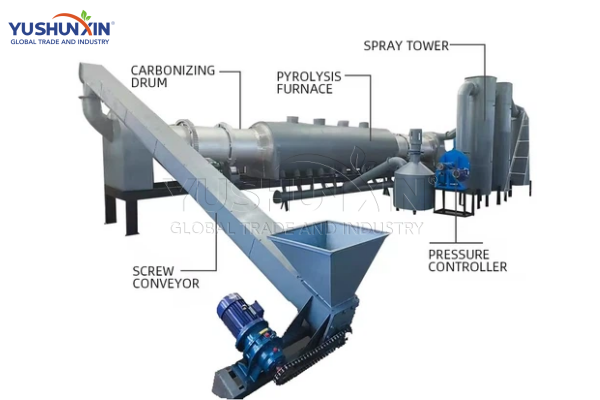
Environmental compliance protects the value of a carbon credit solution through the emission record, the traceability of the biomass and the permanence of the product. A carbon credit compliance advisors team that supplies the mass balance, the monitoring plan and the registration file helps the developer secure both revenue lines. The demand for removal units keeps rising, and a plant with an audited record captures that demand at a better price. If your team needs a reference for the line configuration and the compliance scope, you can learn more about https://www.ysxcharpro.com/how-does-the-continuous-carbonization-furnaces-work/ before the next verification.