A carbonization project becomes bankable when the technical data, the contracts and the cash flow describe the same plant, and you, as a project investor or as a development manager, assemble those three elements before approaching a lender. Biomass carbon sequestration technology provides the physical basis of the project, because the carbon that stays in the biochar represents the environmental outcome that lenders and buyers accept. The same technology defines the product volume, and that volume supports the revenue forecast of the plant.
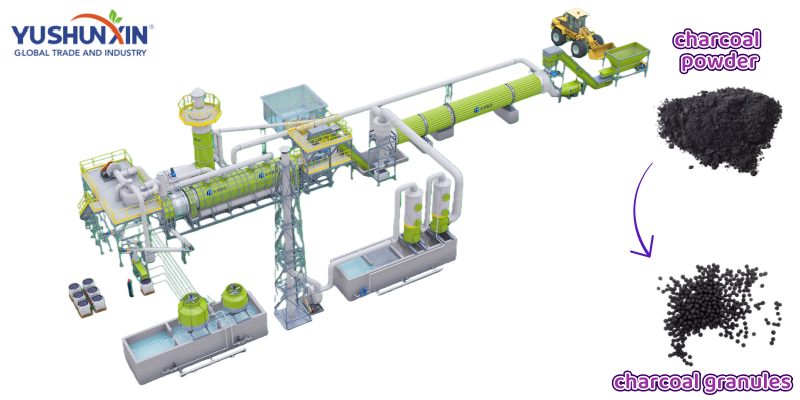
Which documents make the project bankable?
The technical file contains the process description, the energy balance and the equipment specification of the line. The commercial file contains the feedstock contracts, the offtake agreements for biochar and the terms of any carbon removal registration. The financial file contains the investment budget, the operating cost and the sensitivity analysis. A lender reads these three files together, so your team keeps them consistent with one data set.
Which contract structures fit a carbonization project?
A feedstock supply agreement with a defined moisture and ash range protects the performance guarantee of the furnace. An offtake agreement with a defined product specification protects the revenue line. A bankable biomass carbonization project structure also states who owns the carbon removal units and who pays the verification cost. Your legal team aligns the three contracts before the credit application begins.
How does the technology choice affect the financing terms?
Continuous operation with documented data logging gives the lender confidence in the output forecast, because the plant produces a measurable result every shift. A configuration with internal gas use reduces the operating cost, and that reduction improves the coverage ratio of the debt. A biochar solution for bankable projects also supplies the monitoring records that the registry requires, and those records protect the value of the removal units. Your engineers present the same data to the lender and to the registry.
How do you structure the construction phase?
The construction plan divides the project into civil works, equipment delivery, installation and commissioning, and each part carries a payment milestone. A carbonization project financing structure also reserves a contingency for the feedstock preparation works, because the drying section often requires more space than the first layout assumes. Your project manager reports progress monthly against the drawdown schedule, and that reporting keeps the lender informed.
Conclusion for project investors and development managers
A bankable carbonization project combines verified technology, contracted feedstock and a documented route for the carbon removal units. A carbonization project financing advisors team that supplies energy balance data, reference plants and commissioning plans shortens the credit process. A stable technical basis also protects the operating result after commissioning, when the plant must deliver the output that the model promised. If your team needs a reference for the technical file and the contract structure, you can learn more about https://www.ysxcharpro.com/how-does-the-continuous-carbonization-furnaces-work/ before the next credit review. The lender also reviews the insurance arrangement for the plant, because a covered asset reduces the residual risk of the loan. A short commissioning period then supports the repayment schedule, because the plant starts to generate revenue earlier than a delayed start would allow.