The carbon credit solution cost that a supplier quotes covers the furnace, the gas cleaning, the monitoring and the registration support, and a comparison that ignores one of those blocks produces a wrong decision. You, as a project developer or as a recycling company manager, examine the carbon credit solution cost with a common scope before the tender. The bidding process then compares the offers on the same base.
Which items must appear in every bid?
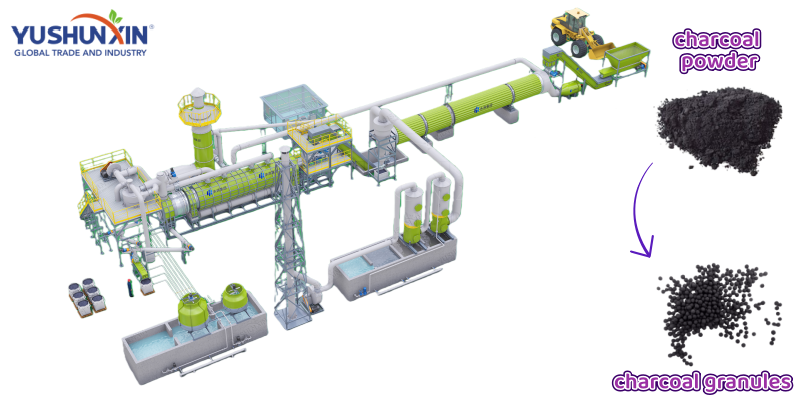
The reactor, the dryer, the gas cleaning, the monitoring instruments and the commissioning support form the core of the solution. A supplier bid comparison for a carbon credit solution also requires the performance guarantee, the spare parts list and the training programme, because those three items define the operating risk. You mark each item as included, excluded or optional, and that marking shows the real difference between two prices. The comparison then rests on a documented scope.
How does the credit revenue enter the evaluation?
The monitoring instruments and the data platform decide whether the plant can register its removal units, and that ability carries a value of its own. A continuous furnace performance data for bids review includes the yield and the carbon content that the supplier guarantees, because those figures feed the credit calculation. You ask each bidder for the same measurement, and the comparison then shows which offer produces more units. The bid evaluation for a carbonization project combines the price with that revenue.
How does the evaluation weigh quality against price?
A simple price ranking rewards the offer that cuts the scope, and that reward usually costs more during construction. You score the technical items first and the price second, and that order protects the project. The bidder with the complete scope and the performance guarantee then wins the contract. The owner negotiates with a clear position.
Which documents does the contract carry?
The technical annex, the payment schedule, the acceptance test and the warranty form the contract package that follows the award. You attach the evaluation matrix, because that matrix shows why the winner was selected. The contract then carries the same scope that the bids compared. The project starts with a documented basis.
Conclusion for project developers and recycling companies
A supplier comparison is valid when every bid covers the same scope, the same performance guarantee and the same monitoring package. A carbon credit bid advisors team that supplies the scope matrix, the evaluation criteria and the contract annex helps the developer choose with data. The demand for removal units keeps the market open, and a plant with a complete monitoring package captures that demand. If your team needs a reference for the line configuration and the bid scope, you can learn more about https://www.ysxcharpro.com/whats-the-price-for-a-continuous-carbonization-furnace/ before the tender. The same matrix then serves as the contract annex, and that annex protects both parties when a performance question appears. The developer keeps the bids on file for the audit of the public programme that supports the investment. That file stays with the project office until the final payment.