Carbon credit registration demands measurement, and that measurement discipline changes the way a biochar plant operates every day. The carbon credit solution process flow records the feedstock mass, the process temperature, the residence time and the carbon content of the finished product. You, as a plant manager or as a project developer, gain two results from that record: a verifiable removal claim and a detailed efficiency picture of the production line. The carbon credit solution process flow therefore improves both the revenue of the project and the technical control of the plant.
Which process steps connect carbon credit monitoring with material recovery?
Weighing the incoming feedstock starts the chain, because the removal calculation depends on the dry mass that enters the reactor. Temperature and residence time come next, and those two parameters determine how much carbon remains in the char. Product sampling closes the chain, and that sampling measures the carbon fraction that the process stabilises. Your operations team records each value in one database, and that database produces both the credit report and the efficiency report for management.
Which carbonization equipment supports data collection for credit verification?
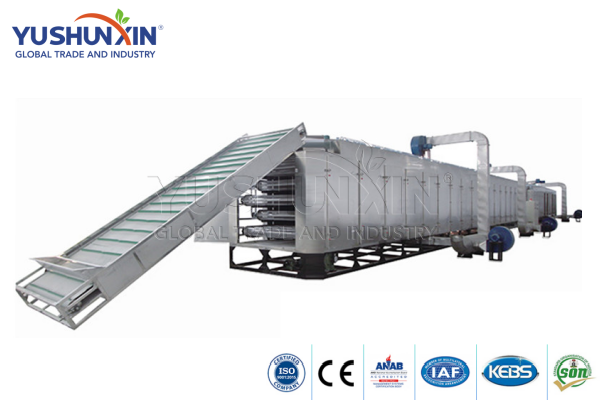
A continuous carbonization furnace with temperature sensors at three zones, a flow meter on the gas line and a weight scale on the discharge conveyor supplies the primary data set. A carbon removal project material efficiency review then compares the recorded data with the laboratory results, and that comparison validates the measurement chain. Equipment with automatic logging removes manual transcription errors, and that accuracy protects the value of every issued credit. The briquette molding equipment also feeds the same database, because densification changes the bulk density of the final product.
How does your team measure carbon content in biochar?
Laboratory analysis follows a recognised method, and that method reports total carbon, hydrogen and ash for each sample batch. Your team samples every production shift, because feedstock variation changes the carbon fraction of the output. The average carbon content then feeds the removal calculation, and that calculation follows the methodology of the registration programme. Regular sampling also reveals process drift, and early detection of drift protects both the credit value and the product specification.
How does the credit process improve the efficiency of the whole plant?
A carbon credit process monitoring system shows the energy consumption per tonne of product, and that figure guides the maintenance priorities of the plant. Your engineers detect a rising specific consumption before it becomes a breakdown, and that detection protects the uptime of the line. The data set also supports the sales negotiation, because buyers of biochar value producers who document product stability. A verified record therefore serves three audiences: the credit registry, the customer and the internal management team.
Conclusion for plant managers and project developers
Measurement discipline turns a carbon project into a better operating plant, because the same data supports the credit claim and the efficiency programme. A carbon removal technology provider that supplies instrumented equipment, sampling protocols and reporting templates shortens the registration period for your project. The carbon offset market rewards verified performance, and verified performance starts with reliable process data. If your team needs a starting point for the monitoring plan, you can learn more about https://www.char-molder.com/product/continuous-carbonization-furnace/ before the next verification audit.